
EDIFICE LAWSON LITHO
February 22, 2026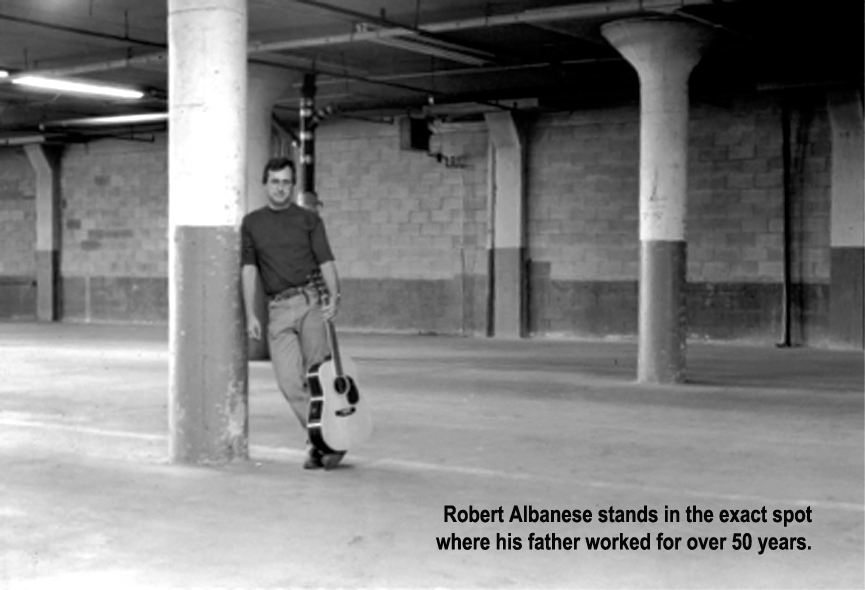
When someone mentions the new Marconi – Alexandra neighbourhood, right away I can smell a symphony of industrial chemicals, paints, solvents, cardboard and sweat. You see, my father worked for the Lawson Lithographing And Folding Box Company located right in the center of this once thriving industrial area.
He did so for 50 years making boxes for large companies like Catelli, Cadbury, and giant cigarette companies. Every night when he came home he brought with him a tapestry of odours of the industrial era. Life was harsh in those days. They worked long hours, no sick days, no workman’s compensation and that was all normal for that period. My dad even lost a finger on one of those heavy machines. He was just glad he still had a job after the incident.
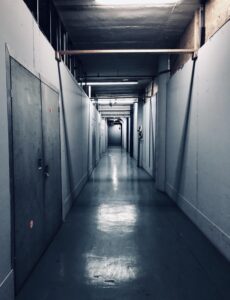
As a kid, with no family car, having a bicycle was my ticket to freedom to explore beyond my friendly neighbourhood. One summer day I decided to visit this famous factory of the Lawson Litho. Riding through the small roads of my neighbourhood through Jean-Talon market, till I reached the railway pedestrian underpass. Wait, this under passage entrance was very small, dark and scary even in daytime. The peeling white paint, the aged yellow lights and the massive cobwebs filled with dead bugs, all had the ingredients for a good horror movie!
Alright, I gathered my courage and ventured to the new world. Lifted my bike down the stairs and saw the light at the end of the tunnel, no pun intended here. Scent of mould and stuffiness was so ever present. I picked up my bike again and climbed up the stairs. There it was, the Lawson buildings, this giant breathing industrial manufacturing monster. It spread over two buildings, one, was blackened by years of pollution, a metal staircase surrounded its brickwork. I could hear the rhythms of the machines pounding away, vents pushing out smoke, trucks were everywhere; I could just imagine what it was like inside. I was impressed by its power on a neighbourhood.
This is it, the industrial area where men and women would go to work, convert their labor to put food on the table and to buy books for their children’s education. It was our lifeline.
By 18, my dad got me a summer job at Lawson Litho where he worked. We would walk to work together and cut across the Jean-Talon market, greet the shop owners who were getting their day started until we finally reached the infamous pedestrian underpass. We finally reached the Lawson building and upon entering, it’s obvious this as a busy place, I mean, real busy. A whole community of hard workers were contributing to making boxes: moms, family men, handicapped individuals, even a blind man who worked on a production line - we were making boxes.
We all took great pride in our work and ensured that what we delivered was of the highest quality. My job was to operate the elevator and work the lift trucks bringing pallets to the storage area. Occasionally I would need to cross to the older building (now demolished) via an overpass. Being such an old structure made of wood, it would dip with the weight. As I walked this precarious structure, I heard a harmony of crackling wood underneath my feet.
I gained tremendous respect for the people who worked in the manufacturing sector. It’s where they gathered to produce goods made with pride, a quality that I feel we have lost today.
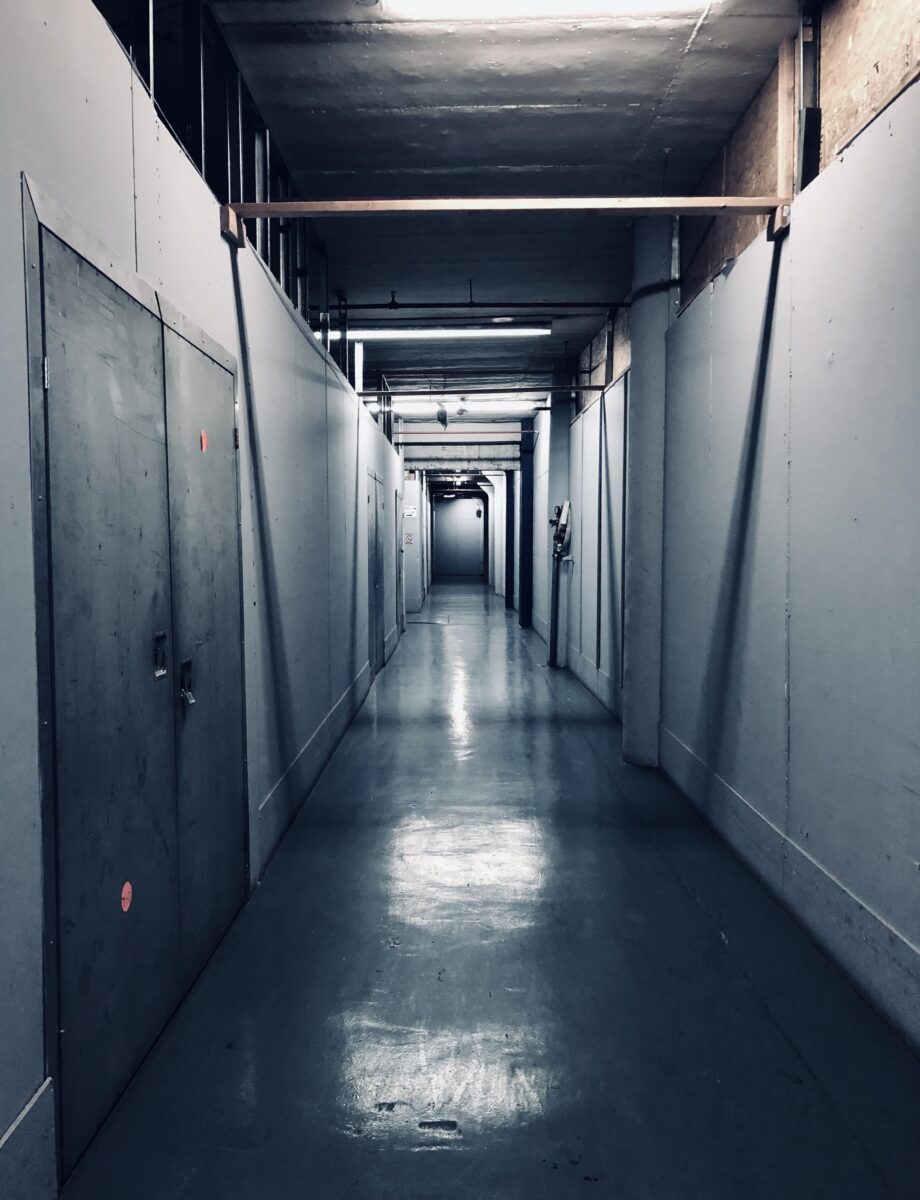
In the early 1990’s my good friend Frances, invited me to visit her new studio that was still under construction. A nice brick industrial building freshly cleaned that looked very inviting. We walked the corridor and viewed the large empty space with rows and rows of white and green painted columns. Clearly it was once a large manufacturing facility from the golden years. I got a sense of déjà vu. Indeed, I quickly realized when I saw the freight elevator, it was the old Lawson building, almost ready for a new mission.
In retrospect, there was a very a strong sense of community hard at work back then, just like today with its transformation.
Today we see a modern community emerging with artists, designers, tech companies and even a university as part of its new mission. Like its predecessors, they will need to protect and cherish this area. In return, it will give back an enriched and unparalleled quality of life, now and in future.
I owe a debt of gratitude to the now so-called Alexandria-Marconi. That’s where all my dreams and aspirations were made possible.
Bob Albanese
Musician/Sales Director