
RÉCIT INTÉRIEUR
February 22, 2026
TERRAIN DE JEU
February 22, 2026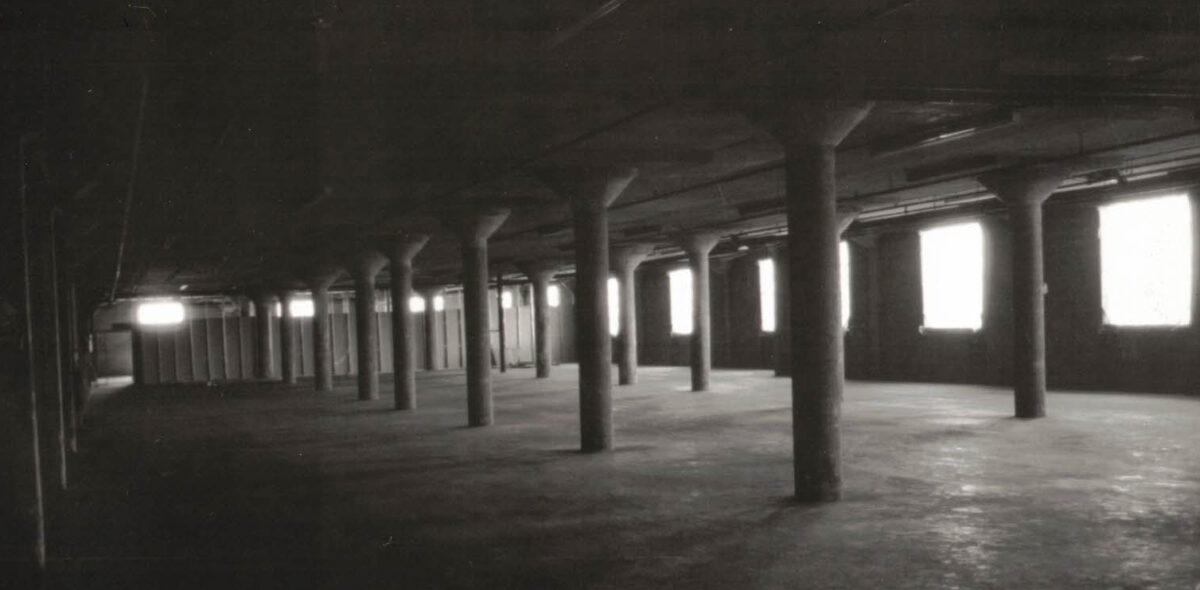
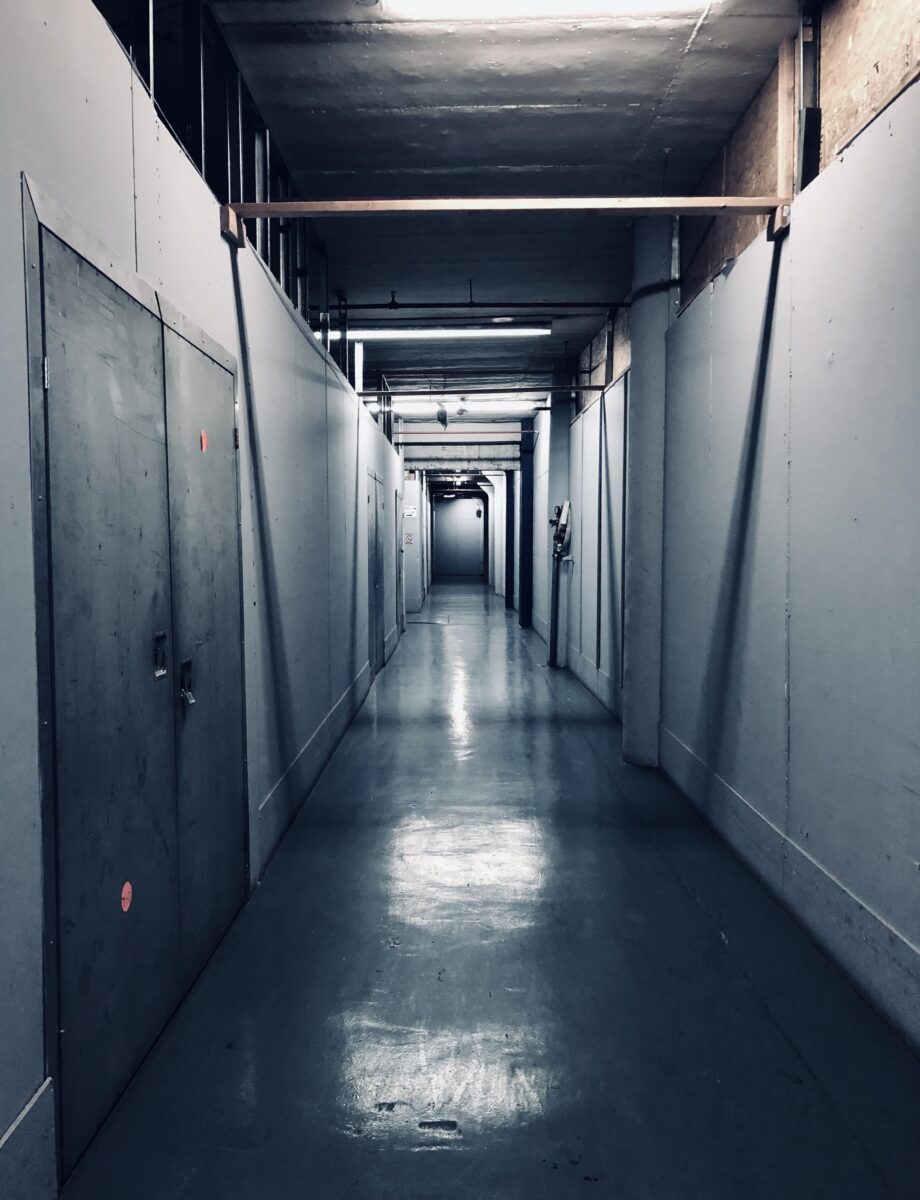
In the fall of ‘92 I was 26, and sharing a tiny studio space in Old Montreal, where I first developed a passion for portrait photography. I had returned to live at home in my parents’ basement earlier that summer, to save money, as I waited for my then bf to return from a 6-month stint working in Africa. Frances (who I first met in a drawing class at Concordia University, and soon became one of my primary muses), had asked me to cat-sit while she was away, in her new studio space on St-Zotique. It was a unique experience. The first to set-up residence in the building, her loft had incredible light, a corner unit with exposed cement brick walls framing a series of impressively large single pane industrial windows. A quiet neighbourhood in a forgotten industrial pocket, next to Little Italy, with good bus access, easy parking, and close to Jean-Talon market. In no time, I too was convinced to take the plunge, and got the courage to reserve a space at 202. At the time, the third floor was primarily a vast open space, spanning the whole block. Following a lengthy process of drafting plans determining the location, size, wall placements, plumbing, and kitchen construction, I claimed my inset double-window spot early that winter, making me the third, 3rd floor resident (shortly after Laurie Walker).
This was to be my first loft, an experience that inspired an abundance of creative energy, in multiple forms. At the time I had been earning my living working in film as a set decorator, and was coincidently already familiar with the building, as doing set-dec research often brought me to visit a long-time tenant on the ground floor (Montreal’s then, largest prop house), SOS decor. Their oversized props and novelty sets often spilled out of their space and onto the loading dock area, adding to the eclectic mix of business activity constantly funneling in and out of the building. My 3rd floor 1800 sq’ loft space comprised of a closed room equipped as a large darkroom with an industrial sink, a sizeable studio space contained by floor to ceiling wrap-around black curtains, a full kitchen, bathroom, dining area, living area, with my bedroom and expansive office area side by side under the two large industrial windows. After painstakingly painting the floors, with large colorful forms and stenciled motifs flowing throughout, the loft soon took the shape of my perfect work/living space.
In the early days, during the quieter work months, unemployed breaks from film decorating transformed into intensely productive periods for me, as I delved into experimenting more with my photography. Soon I began playing with different camera formats, and during my time at 202 produced two extensive portrait series, pretty much launching my career as exhibiting artist and ushering my first publications.
Almost daily I had studio visits from either local artists, dancers, athletes, gender non-conformists, or pretty much anybody else that I could convince to model and/or collaborate with me. With ample room to stockpile props and build sets in my space, my studio work got more and more intricate, and my capacity to take on commissioned work also grew. The studio would morph as needs rose. I could even accommodate the shooting of scenes for two separate NFB film productions, for which I was contributing as a cinematographer. The possibilities were endless, with three floors filled with assorted options for shooting locations, including the roof. If I wasn’t up there having a picnic, I would be shooting actor headshots or model portfolios for extra cash.
In ‘94 a close friend and colleague of mine Robyn Badger (also a film set decorator) moved into C-5, the space next to mine. Although a long wall separated us, it was as if we were roommates. Privacy was virtually non-existent. We took great amusement at recounting each other’s phone messages, as the paper-thin walls did nothing to dim the volume of the incoming calls on our respective answering machines.
As my artistic milieu grew, so did my social life, and the desire to toss them all together in the form of loft parties. The most notorious one was during a period while I was still dating the alternative DJ Bobzilla from SKY CLUB and UNITY fame. He was set-up in the studio with turntables on a sizeable stage, with glittering curtain and disco ball behind him. Across from the dance floor was a raised shrine, with a large tv playing back-to-back episodes of AB FAB, next to a rather large B.Y.O.B bar (which seemed to never run dry) running the length of the kitchen. The jubilant crowd was unexpectedly large and very eclectic, in every sense: the building basically held under siege. In the days that followed, a write-up appeared in an arts-event review column, christening the late night as “The Martini Apocalypse”, by Lucinda Catchlove of the Montreal Mirror.
This time in my life seemed to be a perfect storm of being (relatively) young, fresh out of University, ambitious, at a professional crossroads, and ripe for creative work.
Opportunities were springing up in many different forms, and the loft was always able to answer to them, providing me with a vast and limitless creative playground. As the years passed, the tenants of 202 developed interconnected lives, and we shared living there in solidarity with one another; most notably when we collectively fought and won in petitioning the city to afford us residential leases. We were the first in Montreal to obtain recognized legal residential status as occupants of industrial artists lofts. This solid sense of community became an anchor to my notion of living/working security. On numerous occasions, my projects spilled outside of the confines of my space, and my neighbours invariably always accommodated me, nobody ever objecting. This air of permissiveness proved very fertile and came at a critical time, encouraging me to take risks, and push my creative boundaries. After 3 and a half years, when I chose to break away from this hub of wonderful people and space, I sought to regain that synergy and sense of freedom in my next move, the East Village in NYC in the summer of ‘96... but alas, it just wasn’t the same..
Jules de Niverville Filmmaker